You see fine lines deepening. Your skin sags just a little more each year. You’ve tried creams, lasers, even pricey serums—yet elasticity keeps slipping away. And now, everyone’s shouting about collagen supplements. But do collagen supplements help aging skin—or is it all marketing smoke and mirrors?
Why Topical Creams Alone Won’t Restore Lost Elasticity
Most anti-aging routines stop at the surface. A $200 cream might hydrate—but can’t rebuild what’s broken beneath.
Collagen molecules in topical formulas are too large to penetrate the dermis. They sit on top, offering temporary plumping at best. Meanwhile, your body’s natural collagen production drops by 1% every year after age 20. By 50, you’ve lost nearly half. No serum fixes that math.
And here’s what brands won’t tell you: UV exposure, sugar intake, and chronic stress accelerate that loss far beyond chronological aging.
Do Collagen Supplements Help Aging Skin? A Practical Roadmap
Yes—but only if you choose wisely and pair them with lifestyle support. Not all collagen is created equal.
Choose Hydrolyzed Collagen Peptides
Look for “hydrolyzed” or “collagen peptides” on the label. These are broken down into amino acids small enough for real absorption. Whole collagen? Useless.
Timing Matters More Than You Think
Take your dose on an empty stomach—or with vitamin C. Why? Vitamin C is a cofactor for collagen synthesis. Without it, your body struggles to utilize those peptides.
Consistency Beats Mega-Dosing
10 grams daily for 90 days beats 30 grams for a week. Skin turnover cycles take time. Patience isn’t optional—it’s biochemical.
| Method | Avg. Cost/Month | Time to Visible Results | Elasticity Impact |
|---|---|---|---|
| Topical Retinoids | $40–$120 | 8–12 weeks | Moderate (surface-level) |
| Oral Hydrolyzed Collagen | $25–$60 | 6–12 weeks | High (dermal support) |
| Laser Resurfacing | $800–$3,000 | 2–4 weeks (initial), 3–6 months (full) | High but invasive |
| Diet Alone (bone broth, etc.) | $15–$30 | 3–6 months | Low to moderate |

The Industry Secret: Synergy Over Single Solutions
Here’s what clinical studies rarely mention: collagen peptides work best as part of a triad—protein + antioxidants + mechanical stimulation.
Imagine this: You take collagen daily. But you’re also eating sugary snacks that glycate proteins, destroying new collagen before it forms. Or you skip sunscreen, letting UV rays shred your fibroblasts. The supplement becomes a leaky bucket.
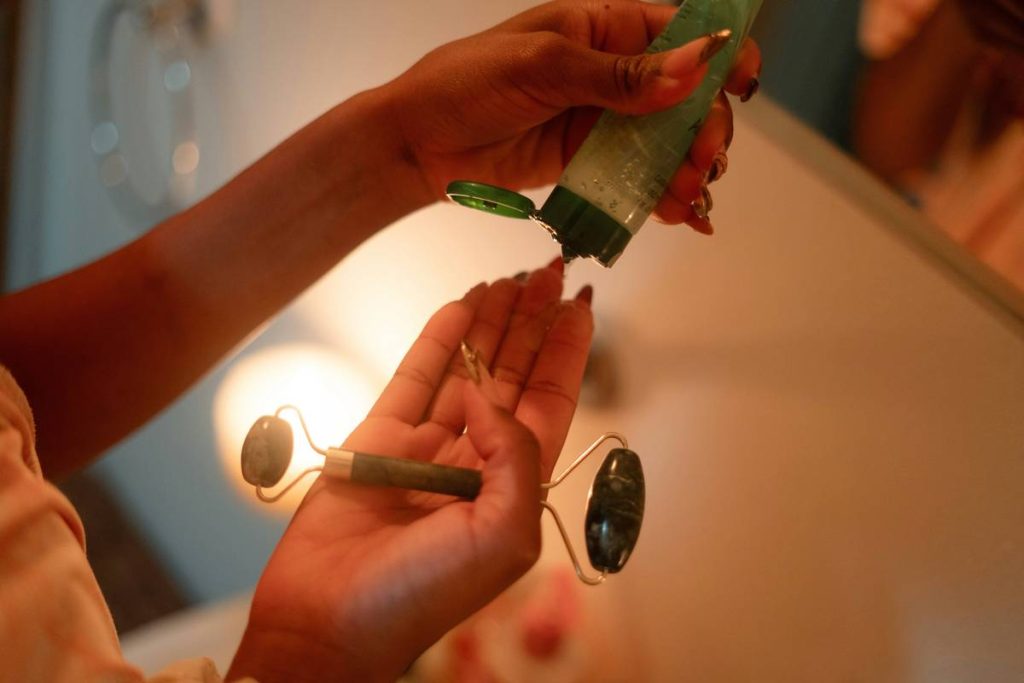
But pair 10g of marine collagen with a diet rich in polyphenols (berries, green tea), nightly retinol, and weekly facial massage—and you create an environment where new fibers actually anchor and thrive. That’s the real secret. It’s never just the pill.
Frequently Asked Questions
How long until I see results from collagen supplements?
Most notice firmer skin in 6–8 weeks. Full elasticity improvements typically take 12 weeks of consistent use.
Can I get enough collagen from food alone?
Bone broth contains some collagen—but not enough therapeutic peptides. You’d need to drink liters daily, which isn’t practical or reliably dosed.
Are there side effects to collagen supplements?
Rare. Some report mild bloating. Choose third-party tested brands to avoid heavy metals—especially with marine sources.