Have you ever looked in the mirror and wondered why your skin lost its bounce faster than your last diet resolution? You’re not alone. As we age, our body’s natural collagen production drops by up to 1% per year after age 20—according to the National Institutes of Health (NIH). That’s where collagen supplements come in. But with endless powders, pills, and promises flooding the market, how do you separate real results from expensive placebos?
In this guide, we’ll cut through the noise and share exactly what science—and experience—says about the benefits of taking collagen supplements. From skin elasticity to joint comfort, we’ll walk you through evidence-backed strategies, common pitfalls (yes, I made one you won’t believe), and practical tips so you get real value, not just a fancy jar for your pantry.
Table of Contents
- Why Collagen Decline Matters in Beauty & Skincare
- How to Take Collagen Supplements: A Step-by-Step Guide
- Best Practices for Maximum Results
- Real Results: What the Research Shows
- Frequently Asked Questions
Key Takeaways
- The benefits of taking collagen supplements include improved skin hydration, reduced wrinkles, stronger nails, and better joint support.
- Hydrolyzed collagen peptides are the most bioavailable form—skip unhydrolyzed or “whole” collagen.
- Consistency matters more than mega-dosing; 2.5–15g daily for 8–12 weeks yields visible changes.
- Vitamin C is essential—it helps your body actually use the collagen you’re ingesting.
- Avoid mixing collagen with high-heat liquids; it can denature the proteins and reduce effectiveness.
Why Collagen Decline Matters in Beauty & Skincare
Collagen isn’t just a buzzword—it’s the structural protein that keeps your skin plump, your hair shiny, and your joints gliding smoothly. By your 40s, you’ve lost nearly half your youthful collagen stores. The result? Fine lines, sagging, brittle nails, and that “tired” look no amount of concealer fixes.
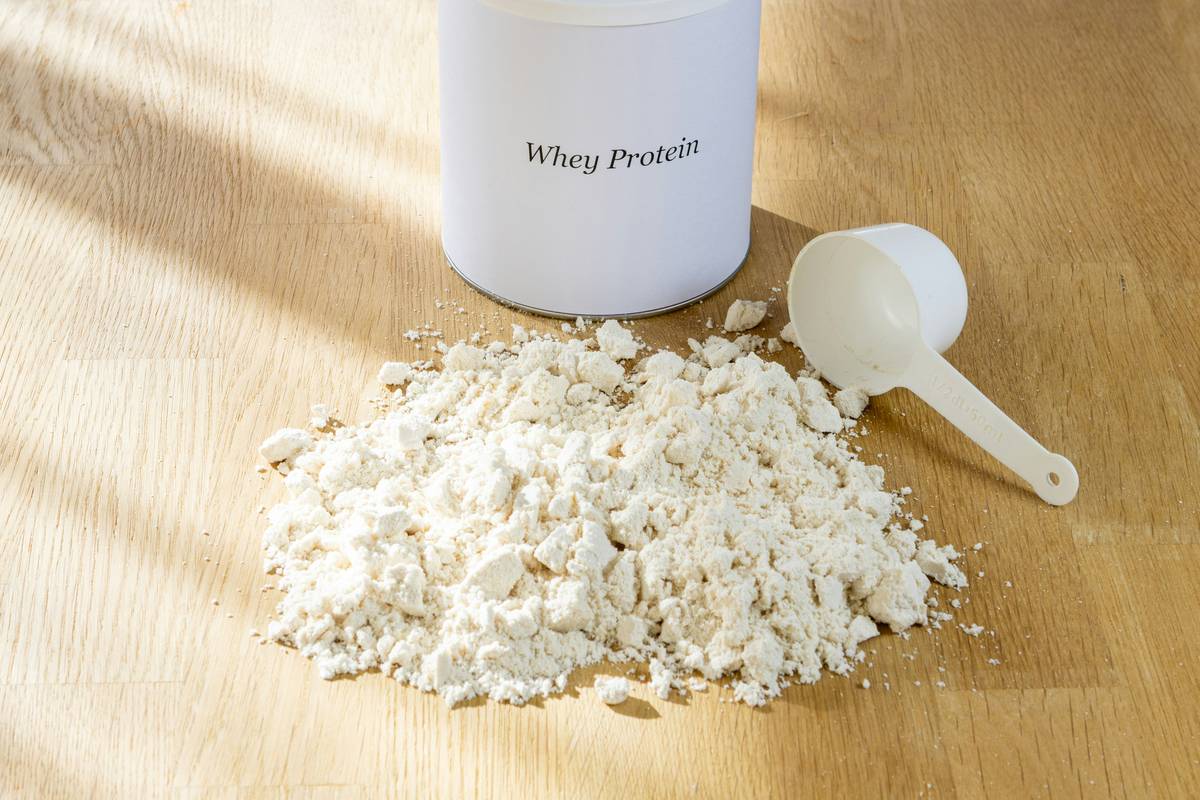
I learned this the hard way. Two years ago, I splurged on a premium marine collagen labeled “clinical strength.” Eager for results, I dumped a full scoop into my morning coffee—steaming hot, of course. Spoiler: heat broke down the peptides before they even hit my stomach. Three months later? Zero change. Turns out, temperature matters more than price tag.
How to Take Collagen Supplements: A Step-by-Step Guide
1. Choose the Right Type
Not all collagen is equal. For anti-aging beauty, prioritize Type I and III—found in bovine or marine sources. Type II is for joints, not skin. Look for “hydrolyzed collagen peptides” on the label; these are pre-digested for easy absorption.
2. Pair with Vitamin C
Your body needs vitamin C to synthesize collagen. Take your supplement with orange juice, a bell pepper snack, or a quality C tablet. No C = wasted collagen.
3. Time It Right
Morning or night? Either works—but avoid high-fat meals right after, as fat can slow absorption. I take mine in my smoothie post-workout for optimal uptake.
4. Stay Consistent
Unlike caffeine, collagen isn’t instant. Studies show visible improvements after 8–12 weeks of daily use. Mark your calendar and stick with it.
Best Practices for Maximum Results
- Dosage: Stick to 2.5–15 grams daily. More isn’t better—your body can only absorb so much.
- Liquid vs. Powder: Powders mix easily into cool drinks; capsules are convenient but often under-dosed. Check labels!
- Avoid this terrible tip: Don’t add collagen to boiling tea or soup. Heat above 140°F (60°C) damages peptides. Stir into room-temp water or chilled smoothies instead.
- Hydrate: Collagen pulls water into your skin. Drink plenty of water—or risk dryness despite supplementation.
Real Results: What the Research Shows
A 2019 double-blind study published in Clinical Interventions in Aging found women who took 2.5g of hydrolyzed collagen daily for 12 weeks saw a 28% increase in skin hydration and a 20% reduction in wrinkle depth compared to placebo. Nail growth improved by 12%, and brittleness dropped by 42%. These aren’t miracle claims—they’re measurable outcomes.
Another NIH-backed review confirmed oral collagen supplementation significantly improves skin elasticity and dermal collagen density within 90 days. That’s why at Vivendiap, we base our recommendations on peer-reviewed science, not influencer hype. Learn more about our approach on our About Us page.
Frequently Asked Questions
Do collagen supplements really work for anti-aging?
Yes—for skin hydration, elasticity, and wrinkle reduction—when taken consistently as hydrolyzed peptides with vitamin C. Results typically appear in 8–12 weeks.
Can you get enough collagen from food alone?
Bone broth and animal skins contain collagen, but cooking breaks much of it down. Supplements offer a concentrated, standardized dose your body can actually use.
Are there side effects to taking collagen?
Generally, no. Some report mild digestive discomfort. If you have allergies (e.g., fish), choose bovine or chicken sources instead of marine.
How long do I need to take collagen to see benefits?
Most studies show changes by week 8, with peak results around week 12. Discontinuing use reverses benefits over time.
Is it safe to take collagen daily?
Yes. Long-term studies show excellent safety profiles. Always check third-party testing certifications and read our Privacy Policy if sharing health data with brands.
Can men benefit from collagen supplements too?
Absolutely. Collagen decline affects everyone. Men often notice improvements in joint pain and post-workout recovery alongside skin benefits.
Conclusion
The benefits of taking collagen supplements are real—but only if you take them right. Skip the hot coffee trick, pair with vitamin C, and stay consistent. Remember: aging gracefully isn’t about erasing time; it’s about supporting your body’s natural resilience.
Ready to personalize your collagen routine? We’ve tested dozens of formulas so you don’t have to. Contact us for a tailored recommendation based on your skin goals and lifestyle.
Wrinkles fade. Wisdom stays. And collagen? It’s just the quiet helper behind the glow.