If your skin’s lost its bounce, your joints ache like they’re whispering secrets from your 80s, and your hair seems thinner than last season’s latte foam—chances are, your body’s collagen reserves are running low. I’ve been there: I once dumped $60 on a trendy “marine collagen” powder promising “glass skin in 14 days.” Spoiler: all I got was a gritty aftertaste and zero results. That mistake taught me that not all benefits of collagen supplements are created equal—and timing, type, and transparency matter more than flashy labels.
Table of Contents
- Why Collagen Declines (And Why It Hurts)
- How to Choose & Use Collagen Supplements the Right Way
- Top 5 Best Practices for Real Results
- Real People, Real Results: What the Data Shows
- FAQs About Collagen Supplements
Key Takeaways
- Natural collagen production drops by ~1% per year after age 20.
- Type I and III collagen are most effective for skin and joint health.
- Hydrolyzed collagen peptides absorb faster than whole proteins.
- Consistent daily intake (8–12g) over 8–12 weeks yields visible improvements.
- Avoid “collagen boosters” with unproven ingredients like silica or biotin alone.
Why Collagen Declines (And Why It Hurts)
Collagen is the scaffolding of your skin, bones, tendons, and even gut lining. But after your mid-20s, your body produces about 1% less collagen each year. By 40, you’ve likely lost 25–30% of your youthful reserves. UV exposure, sugar-heavy diets, and chronic stress accelerate this loss—leading to fine lines, brittle nails, and stiff joints.
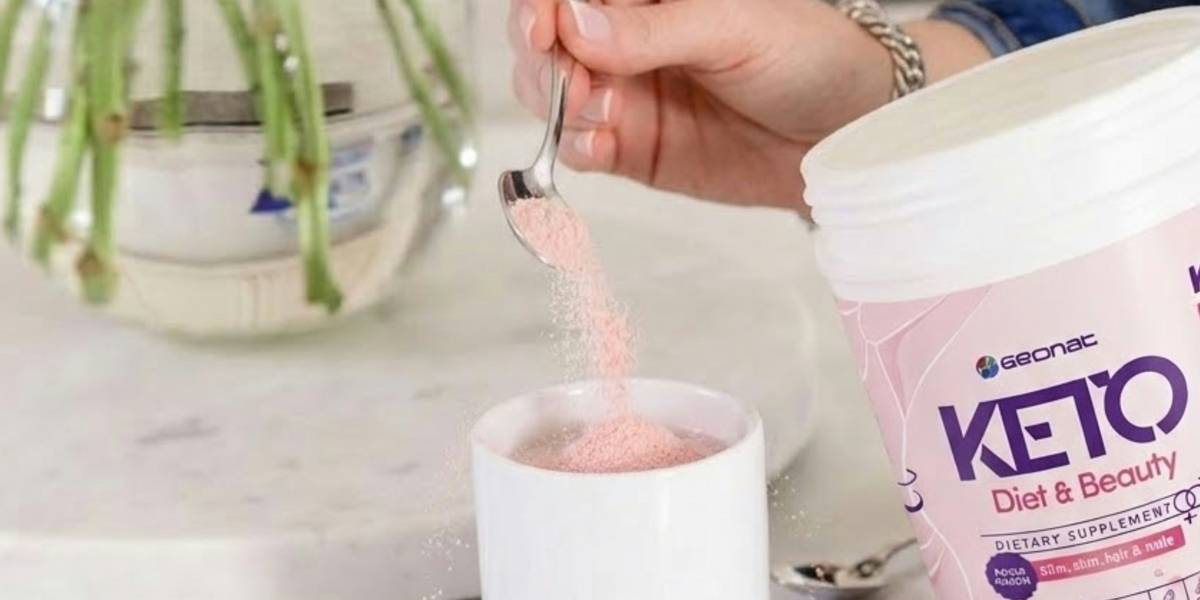
Unlike topical creams (which rarely penetrate beyond the epidermis), oral collagen supplements deliver building blocks directly to where your body needs them most. According to a 2019 review in the journal Nutrients, hydrolyzed collagen significantly improves skin elasticity, hydration, and dermal collagen density within 90 days.
How to Choose & Use Collagen Supplements the Right Way
Pick the Right Type
Not all collagen is equal. For anti-aging beauty, prioritize Type I and III—the dominant forms in skin, hair, and nails. Bovine (from cows) and marine (from fish) sources are richest in these types. Avoid multi-collagen blends unless you also need gut or cartilage support (Type II).
Dose Consistently
Studies showing visible benefits of collagen supplements used 2.5g–15g daily, but the sweet spot is 8–12g. Take it with vitamin C (like orange juice or a supplement)—it’s essential for collagen synthesis. Morning coffee? Stir it in. Smoothie? Blend it. Just don’t skip days.
Avoid the “Boost-Only” Trap
I once wasted months on a product labeled “collagen booster” packed with biotin and zinc—but zero actual collagen. Your body can’t magically create collagen from vitamins alone if amino acid precursors (glycine, proline, hydroxyproline) aren’t present. Always check the label for “hydrolyzed collagen peptides” as the first ingredient.
Top 5 Best Practices for Real Results
- Start early: Prevention beats restoration. Begin supplementation in your late 20s or early 30s.
- Pair with sun protection: UV rays destroy collagen faster than any supplement can rebuild it. Wear SPF 30+ daily.
- Hydrate aggressively: Collagen works best in a well-hydrated matrix. Drink half your body weight (lbs) in ounces of water daily.
- Avoid “miracle overnight” claims: Real change takes 8–12 weeks. If a brand promises results in 7 days, run.
- Check sourcing: Choose brands with third-party testing (NSF, USP) and transparent origin (grass-fed, wild-caught).
Real People, Real Results: What the Data Shows
In a double-blind, placebo-controlled trial published in Clinical Interventions in Aging, women aged 35–55 who took 2.5g of hydrolyzed collagen daily for 12 weeks saw a statistically significant improvement in skin elasticity compared to the placebo group. Wrinkle depth also decreased by up to 20%. Another study from the National Institutes of Health archives confirms reduced joint pain in athletes using collagen for 6 months.
At Vivendi Ap, we prioritize science-backed formulations—which is why we detail our sourcing and testing protocols on our About Us page. We believe trust starts with transparency.
FAQs About Collagen Supplements
Do collagen supplements really work for wrinkles?
Yes—but only consistently over time. Clinical trials show measurable improvements in wrinkle depth and skin firmness after 8–12 weeks of daily intake (8–12g).
Can you get collagen from food alone?
Bone broth contains some collagen, but you’d need to drink 2–3 cups daily to match supplement doses. Most people fall short without supplementation.
Are there side effects?
Generally safe. Rare digestive upset may occur. Those with fish allergies should avoid marine collagen. Always consult your doctor if pregnant or managing a health condition.
When should I take collagen—morning or night?
Timing matters less than consistency. Take it whenever you’ll remember daily—ideally with vitamin C for absorption.
How do I know my supplement isn’t fake?
Look for “hydrolyzed collagen peptides,” clear sourcing (bovine/marine), and third-party certifications. Avoid proprietary blends that hide dosages. Review our full data standards in our Privacy Policy.
Conclusion
The benefits of collagen supplements aren’t magic—they’re biochemistry. With the right type, dose, and patience, you can rebuild what time stole. But skip the gimmicks, demand proof, and give your body the raw materials it actually needs. Ready to find your perfect match? We’ve helped thousands navigate the noise. Contact us—we’ll help you pick wisely, not expensively.
Remember: Youth isn’t a filter. It’s fed—one peptide at a time.