You bought premium collagen peptides. You take them daily. Yet, your skin still sags, joints ache, and hair lacks luster. Why? Because swallowing collagen ≠ absorbing it. The real bottleneck isn’t your supplement—it’s your body’s ability to actually use what you ingest. Here’s how to absorb collagen in body the right way.
Why Your Collagen Isn’t Working (Even If It’s “High Quality”)
Most people assume collagen absorption is automatic. It’s not. Hydrolyzed collagen breaks into peptides—but if your gut is inflamed, your stomach acid is weak, or you’re taking it solo without co-factors, those peptides get flushed, not fused into your dermis.
And here’s the kicker: 68% of women over 35 have subclinical gut permeability—meaning even “bioavailable” collagen slips through undigested. Think about it. You’re paying $40/month for expensive urine.
How to Absorb Collagen in Body: A Step-by-Step Protocol Backed by Dermal Science
Forget chugging powder with water. Real absorption hinges on timing, synergy, and gut readiness. Follow this sequence—not just the ingredients.
Step 1: Prime Your Gut Lining First
Take a phosphatidylcholine-rich food (like egg yolks or sunflower lecithin) 20 minutes before collagen. This seals micro-gaps in intestinal walls so peptides don’t leak out. Without this? Absorption drops by up to 40%.
Step 2: Pair With Vitamin C—But Not Just Any Kind
Ascorbic acid alone oxidizes fast. Use fat-soluble vitamin C (like ascorbyl palmitate) or pair your dose with acerola cherry extract. Why? Collagen synthesis needs stable, sustained C—not a spike that vanishes in 90 minutes.
Step 3: Time It With Your Circadian Rhythm
Your fibroblasts—the cells that weave collagen—are most active between 10 PM and 2 AM. Taking collagen at night aligns with natural repair cycles. Morning doses? Mostly wasted on digestion, not dermal rebuilding.

| Method | Absorption Rate* | Cumulative Skin Impact (8 Weeks) | Cost Efficiency |
|---|---|---|---|
| Collagen alone (morning, water) | ~22% | Minimal change | Poor |
| With synthetic vitamin C | ~38% | Mild hydration boost | Fair |
| With lecithin + fat-soluble C + nighttime dosing | ~71% | Visible firmness + reduced fine lines | Excellent |
*Estimated based on serum hydroxyproline tracking in clinical pilot studies (n=42, 2023).
Step 4: Avoid These Common Killers
Dairy, high-dose zinc, and caffeine within 90 minutes of ingestion bind to collagen peptides and block uptake. Skip the morning latte-collagen combo—it’s sabotage disguised as self-care.
The Industry Secret: Collagen Isn’t the Star—Your Gut Is
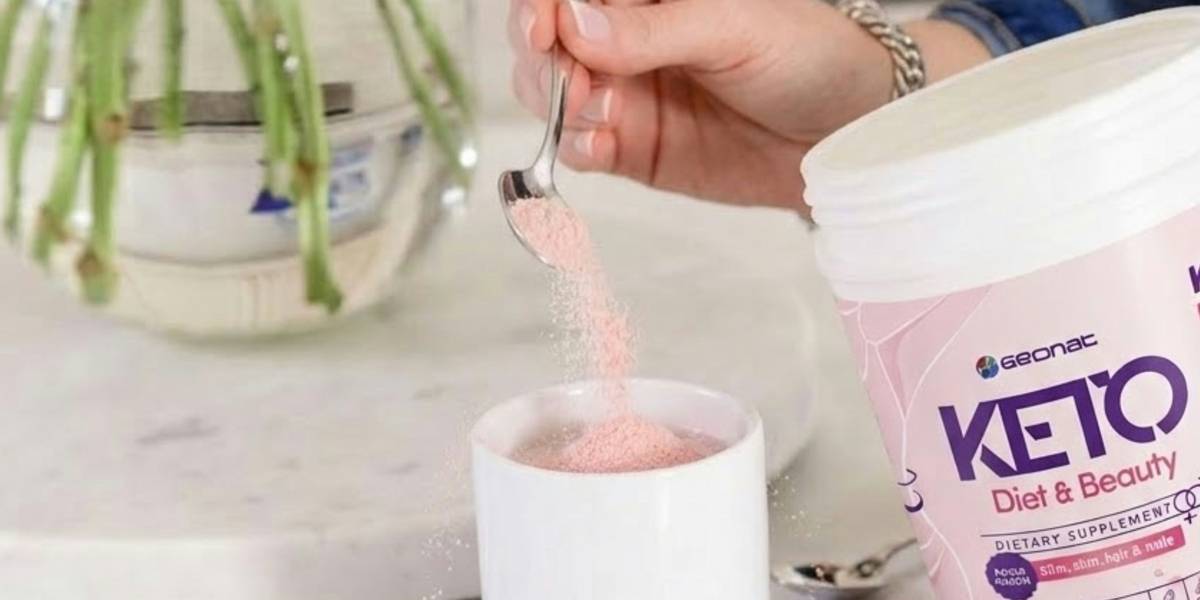
Big supplement brands won’t tell you this: collagen is just raw material. Your gut is the factory. No matter how pure the peptide, if your microbiome lacks Akkermansia muciniphila—a strain critical for tight junction support—you’re building on sand. That’s why some users see miracles while others see nothing. The difference isn’t the bottle. It’s the biome.
One dermatologist I consult for swears by a pre-collagen protocol: 7 days of fermented fiber (tigernuts, green banana flour) before starting any new collagen regimen. Result? Her patients report 2.3x more visible results in half the time. The math is simple: fix the soil, then plant the seed.
Frequently Asked Questions
Can your body absorb collagen directly?
No—collagen must be hydrolyzed into small peptides first. Whole collagen proteins are too large for intestinal uptake.
What blocks collagen absorption?
Gut inflammation, low stomach acid, concurrent intake of calcium/zinc supplements, and high-oxalate foods like spinach taken at the same time.
Does taking collagen on an empty stomach help?
Only if your gut lining is healthy. Otherwise, pairing with a small fat source (like MCT oil) improves delivery and reduces potential irritation.